 7:36
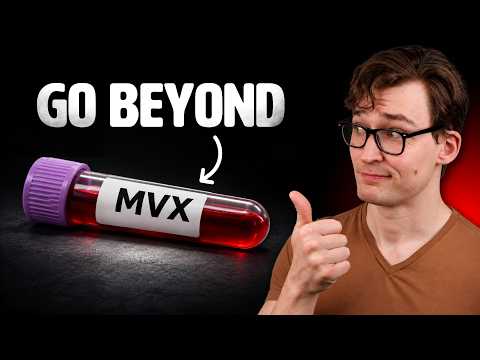
MVX: 6 Health Markers. One Blood Test. One Mortality Score.
Watch
The video introduces MVX, a score based on six health markers from a single blood test that is linked to mortality.
Watch on YouTube PodPulse

Detailed multi-study analyses, clear explanations of mechanisms underlying the results, and a sprinkling of cheeky humor. Learn your body, from the macro to the micro - welcome to Physionic. Credentials: - Ph.D. in Molecular Medicine (Cell Physiology) - Masters in Exercise Physi…
7:36Watch
The video introduces MVX, a score based on six health markers from a single blood test that is linked to mortality.
Watch on YouTube 6:29
The video discusses new research on creatine supplementation, including its effects on body composition, cognitive function, and health markers in middle-aged and older adults.
 7:43
Watch
The video examines how oats affect the heart through a misunderstood fiber, from prior knowledge and a surprising finding to glucan and oat.
Watch on YouTube 7:38
Watch
The creator discusses MACF1 as a protein causing bone loss and how to prevent it.
Watch on YouTube 6:19
Watch
The video discusses an improved blood pressure-lowering exercise, reviews earlier material, and explains how to use it.
Watch on YouTube 13:32
Watch
The creator discusses an FDA-approved arthritis drug described as stopping aggressive cancer, including links between genetics and mitochondria and reuse of older medicine.
Watch on YouTube 8:08
Watch
The video covers research on the anti-aging effects of two molecules, including senolytics and considerations involving bone, kidneys, and liver.
Watch on YouTube 14:18
Watch
The video examines a common food and its relationship to clogged arteries, covering plaque origin, lycopene, a 'healthy' fat, and cardiovascular outcomes.
Watch on YouTube 11:26
Watch
The video discusses items placed in the ears to protect brain health, covering long-term consequences, social isolation, and a 24% increased risk.
Watch on YouTube 9:22
Watch
The video discusses lycopene, a red molecule found in multiple foods, and its implications for brain health based on new studies.
Watch on YouTube 14:04
Watch
The creator discusses a supplement described as rejuvenating mitochondria, with chapters on old mitochondria, immune-system effects, VO2, anti-aging, and a caveat.
Watch on YouTube 9:21
Watch
The video covers TUDCA as a potential approach to addressing insulin resistance, including its mechanisms, study results, and dosing considerations.
Watch on YouTube 9:26
Watch
The video explores berberine and heart disease, including ApoB, genes, associations, and trials.
Watch on YouTube 12:45
Watch
The creator responds to a challenge about the claim that omega-3 fats promote cancer, examining a study and presenting a counter-argument.
Watch on YouTube 10:11
Watch
The creator discusses a study they say upends low carb nutrition science, covering carbohydrates, protein, and time-related factors.
Watch on YouTube 7:15
Watch
The video examines how eating oats relates to molecules that affect the heart, including whether to eat oats and what seems suspicious about them.
Watch on YouTube 8:32
Watch
The video discusses peptides and their impact on cardiovascular disease, including a new mechanism involving ceramides.
Watch on YouTube 9:20
Watch
Analysis of dietary fiber's effect on colorectal cancer reveals surprisingly weak results. A meta-analysis of 10 studies showed a 5-on-5 split, with fiber showing clearer benefit in men than women. Notably, zero studies showed fiber helps prevent cancer recurrence, suggesting fiber's role in colorectal cancer prevention is limited.
Watch on YouTube 10:36
Watch
The episode examines peptide-antibody "stacks" combining GLP-1 agonists with myostatin blockers (apitegromab and bimagrumab) for simultaneous fat loss and muscle preservation. Clinical data shows bimagrumab delivers impressive fat loss but lacks strong functional muscle benefits, while apitegromab yields only marginal results. The host advises caut
Watch on YouTube 8:52
Watch
Analysis of 14 studies reveals cheese consumption is associated with reduced or neutral mortality risk, not harm. Moderate intake (around 30g daily) shows the most consistent benefit, particularly through reduced cardiovascular mortality, while cancer risk shows no clear link. The benefit extends up to about 90g/day before plateauing, with no study
Watch on YouTube 7:42
Watch
Resistant starches strengthen the gut barrier by increasing proteins that prevent harmful molecules from entering the blood. Consuming forty grams daily from sources like green banana flour can lower inflammation and improve metabolic health.
Watch on YouTube