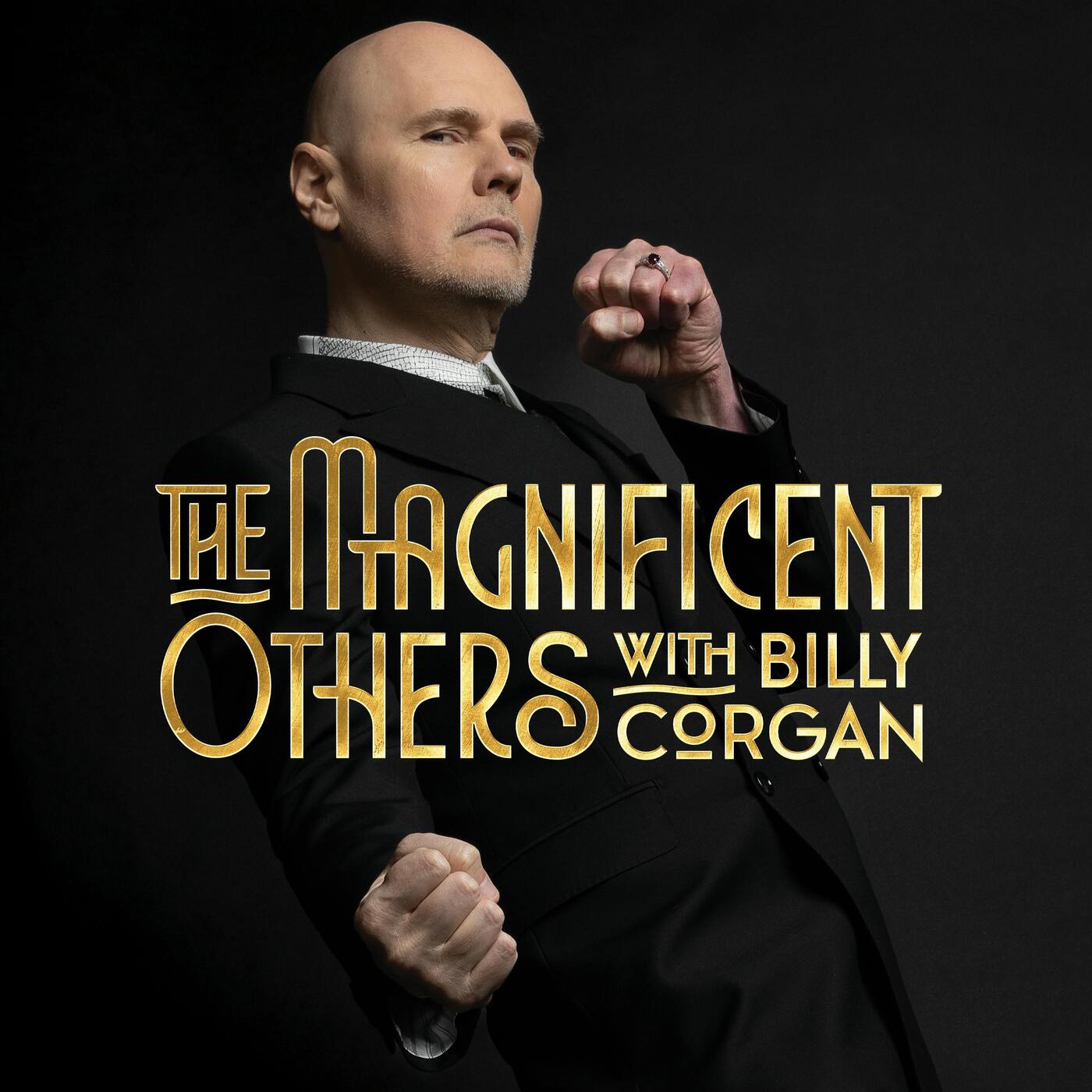
Welcome to The Magnificent Others, the podcast where host Billy Corgan engages in profound conversations with extraordinary individuals who have reached the pinnacle of success in their respective fields. In each episode, Billy delves into the stories and insights of high achiev…
Legendary producer Jimmy Jam reflects on his creative partnership with Terry Lewis, the rigorous mentorship of Prince, and the independent path that led to defining the sound of R&B through iconic collaborations with Janet Jackson.
Stuart Copeland explores the creative friction within The Police, the technical demands of film scoring, and the psychological burden of the celebrity "avatar" in a shifting musical landscape.
Billy Corgan interviews Travis Barker about his extraordinary life journey, from his working-class upbringing and diverse musical influences shaped by skateboarding culture to becoming one of the most influential drummers of his generation. Travis opens up about surviving the devastating 2008 plane crash, his path to sobriety, and how drumming rema
Billy Corgan interviews Chelsea Wolfe about her artistic journey, exploring childhood sleep paralysis, the rejection of her over-produced first album, her embrace of folk and lo-fi aesthetics, her pagan spirituality, and her evolution as an introspective guitarist. They discuss cult-like early career pressures, her new accessible record, and the ec
Scott Ian of Anthrax discusses his new album "Cursum Proficio," his deep roots in 1980s metal culture, and being a pioneer of thrash alongside Metallica, Slayer, and Megadeth. He reflects on witnessing pivotal events in metal history, his openness to diverse genres like rap and alternative, his speaking tour inspired by Henry Rollins, and his son R
Michael Sweet of Stryper discusses the band's evolution from 1980s Sunset Strip metal to enduring Christian rock pioneers. He reflects on persecution from both secular and religious sides, personal tragedies including losing his wife, and his unwavering commitment to faith-driven music-making despite health challenges.
The discussion explores government influence on music, the role of mythological avatars in pop stardom, and the spiritual implications of the technological singularity. It examines how elites use storytelling and life extension technology to shape human reality.
Music producer Peter Asher reflects on his journey from 1960s pop duo Peter and Gordon to becoming head of A&R at Apple Records and producer of James Taylor and Linda Ronstadt. He discusses his production philosophy of clarity, the LA session musician era, and what makes great singers instantly recognizable.
Tommy Lee discusses AI as a creative tool, the oversaturated streaming landscape hurting the 'musical middle class,' and his band's evolution. He reflects on Mötley Crüe's transition from Mick Mars to John 5, his hope for new music, and his admiration for shape-shifting artists like Prince and Bowie. The conversation closes with thoughts on free sp
Legendary songwriter Paul Anka reflects on his six-decade career, from writing his first song as a teenager in Canada to working with icons like Sinatra, Elvis, and Michael Jackson. He emphasizes the importance of songwriters, the role of unsung arrangers like Don Costa, and his prescient decision to own his masters. Anka shares wisdom on living in
Billy Corgan, Matt Pinfield, and Alison Hagendorf discuss the cultural impact of MTV, the death of music videos as an art form, and the decline of rock in mainstream culture. They explore how algorithmic streaming replaced curated programming, the role of gatekeepers in the industry, and express optimism about a new generation of rock artists like
Ann Wilson of Heart discusses her new documentary, her musical journey from discovering her powerful voice to becoming a rock icon, and the challenges of being a female artist in a male-dominated industry. She reflects on the painful 1980s transition, her complex relationship with sister Nancy, and her current solo project Ann Wilson Tripsetter. Wi
Billy Corgan interviews Yoshiki of X Japan, named to TIME's 2025 most influential list, about the origins of Visual Kei, his band's rapid rise to Tokyo Dome stardom, and why their success never fully crossed over to the West. They discuss his classical work with George Martin, the painful losses of band members, survivor guilt, and his philosophy o