 12:19
Why Some Movies Are Better Told Out of Order
Watch
A video essay breaking down seven types of non-linear narrative in film, including flashbacks, reverse chronology, time loops, the Rashomon effect and braided timelines.
Watch on YouTube PodPulse

StudioBinder is a production management solution that helps video and photo productions create call sheets, shot lists, shooting schedules, breakdowns, storyboards, moodboards and more.
12:19Watch
A video essay breaking down seven types of non-linear narrative in film, including flashbacks, reverse chronology, time loops, the Rashomon effect and braided timelines.
Watch on YouTube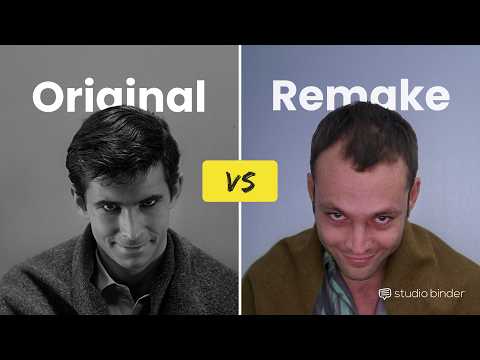 15:16
A side-by-side breakdown compares Alfred Hitchcock’s Psycho (1960) with Gus Van Sant’s 1998 remake to show how directing choices change scenes.
 11:41
Watch
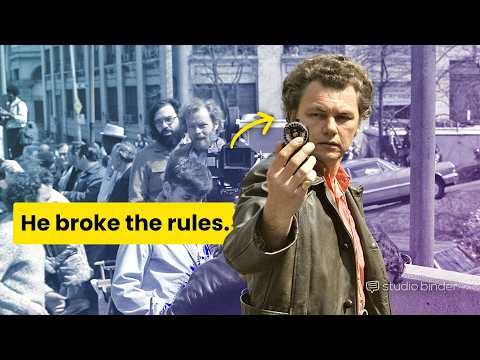
A video essay examines Gordon Willis’s history and cinematography techniques: underexposure, top lighting, and color.
Watch on YouTube 5:11
Watch
Behind the scenes of Project Hail Mary: practical lighting, Rocky puppetry, in-camera infrared effects, and the “Scooby-Doo Effect” timeline transitions.
Watch on YouTube 7:40
Watch
A video essay on Michael Powell's Peeping Tom (1960), its controversial reception, and its lasting influence on horror cinema.
Watch on YouTube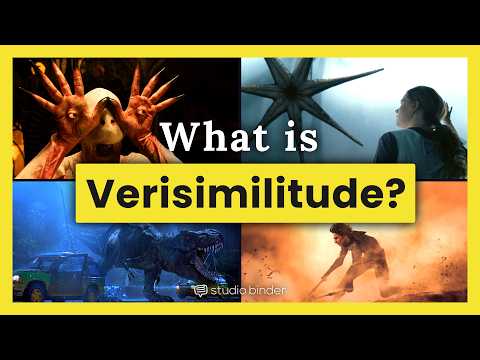 12:06
Watch
The video essay explains how verisimilitude makes impossible movie worlds feel believable and how filmmakers deliberately break that impression.
Watch on YouTube 10:53
Watch
StudioBinder breaks down the Coen brothers’ debut film, Blood Simple, including its financing, cinematography, casting, and stylistic choices.
Watch on YouTube 17:01
Watch
The video explains film coverage, from scenes with no visual coverage to standard and extra coverage, and how shot choices affect editing.
Watch on YouTube 11:15
Watch
The video explains why filmmakers change aspect ratios, comparing format-driven switches with changes designed to deepen immersion through spectacle, style, or story.
Watch on YouTube