 11:18
3 studies that proved me wrong
WatchBrainCraft
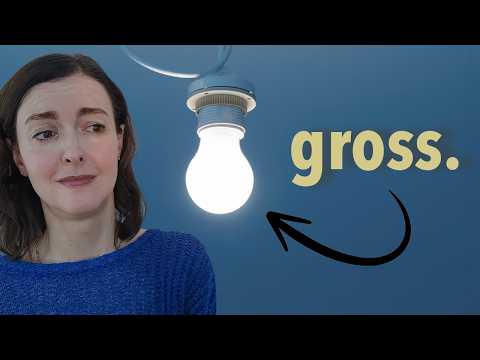
BrainCraft's Dr. Vanessa Hill walks through three sleep studies that changed her views, covering evening lighting, sleep regularity, and the blue light myth.
Watch on YouTube PodPulse
Curated sources for Psychology & behavior in Health, Medicine & Life Sciences, with summaries of their latest episodes.
4 curated podcasts2 curated YouTube channels3 curated newsletters11:18WatchBrainCraft
BrainCraft's Dr. Vanessa Hill walks through three sleep studies that changed her views, covering evening lighting, sleep regularity, and the blue light myth.
Watch on YouTube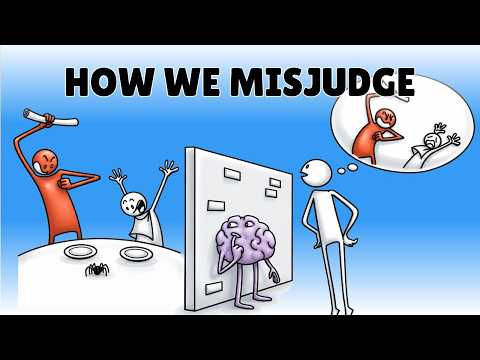 3:50
Also indexed: 47 YouTube channelsIndexed sources are summarized but not yet reviewed for Explore.
WatchSprouts
The video explains the fundamental attribution error, a cognitive bias that leads people to overestimate personality and underestimate situational factors when judging others.
Hi! I'm Dr Vanessa Hill, a sleep researcher and science communicator. On BrainCraft I explore psychology, neuroscience and self-development to bridge the gap between scientific research and your daily well-being. Outside of my regular videos, you can find BrainCraft as a series…
11:18Watch
BrainCraft's Dr. Vanessa Hill walks through three sleep studies that changed her views, covering evening lighting, sleep regularity, and the blue light myth.
Watch on YouTube 16:04
Watch
Research reveals weak evidence for billion-dollar sleep noise aids. Reviews find no convincing proof they help adults; a 2026 study shows pink noise reduces REM and worsens sleep with noise. Earplugs outperform machines. Needs beat marketing claims.
Watch on YouTubeWe create cartoons that explain complicated ideas in simple language. Join us as a Youtube member for special perks: https://www.youtube.com/channel/UC-RKpEc4eE9PwJaupN91xYQ/join
The video explains the fundamental attribution error, a cognitive bias that leads people to overestimate personality and underestimate situational factors when judging others.
 3:42
Watch
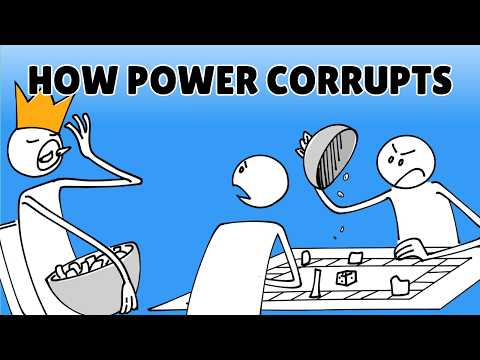
The video explores how a rigged Monopoly experiment illustrates the psychology of power, including status, entitlement, empathy, distrust, morality, the brain, and preventing abuse.
Watch on YouTube