A lecture on Kentucky's relationship with slavery from statehood in 1792 to the 1863 Emancipation Proclamation, taught by University of Kentucky professor Melanie Goan.
Investigative journalist Laura Logan traces her exile from mainstream media after her Benghazi report and argues that globalists, the left, and Islamists are jointly dismantling Western sovereignty, urging faith and resistance over despair.
The Economist examines Arab-led parties' record 19-seat win in Israel's recent election and their potential role as kingmakers in forming the next government.
Canada’s Supreme Court upheld most of Quebec’s Bill 21, but dissenting justices argue Section 28 guarantees gender‑equality rights that should override the law’s use of the notwithstanding clause.
C-SPAN programs three public affairs television networks covering Capitol Hill, the White House and national politics. C-SPAN is a private, non-profit public service created by the cable television industry.
A lecture on Kentucky's relationship with slavery from statehood in 1792 to the 1863 Emancipation Proclamation, taught by University of Kentucky professor Melanie Goan.
Atlantic Staff Writer Kaitlyn Tiffany discusses her book about three women who investigated the JFK assassination at a Politics and Prose Bookstore event.
#AlJazeeraEnglish, we focus on people and events that affect people's lives. We bring topics to light that often go under-reported, listening to all sides of the story and giving a 'voice to the voiceless.' Our impartial, fact-based reporting wins worldwide praise and respect. I…
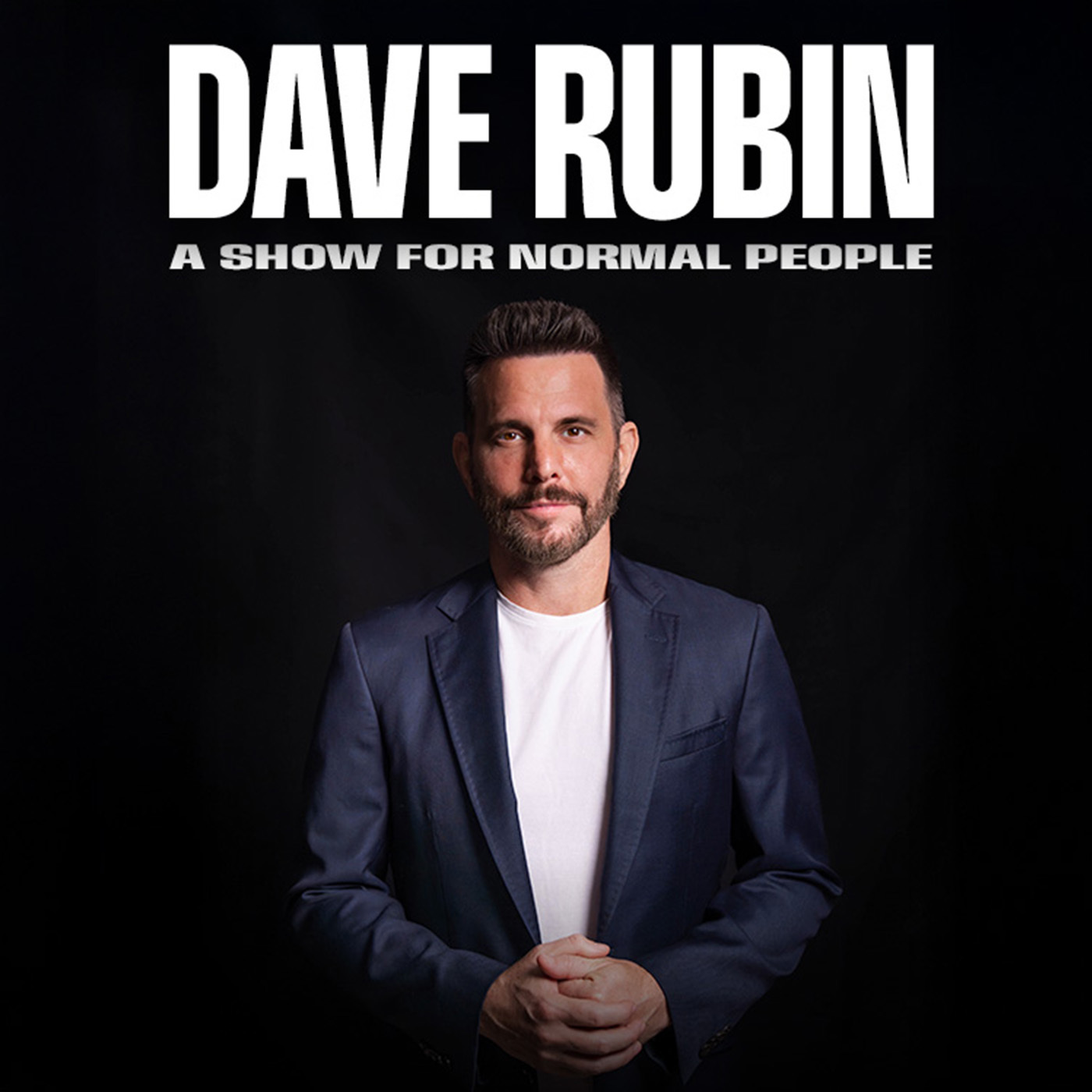
Care about free speech? Tired of political correctness? Join Dave Rubin for real conversations, real news, and one-on-one interviews with some of the most intriguing names in America today as they break down politics and current events.
Welcome to the official CNA YouTube channel. Based in Singapore, CNA covers global developments with an Asian perspective. Come to us not just for the latest news, but also documentaries, expert analysis and stories behind the headlines. Our correspondents are based in major cit…
The Economist gives authoritative insight and opinion on everything from international news to politics, business, finance, science and technology. Our YouTube channel transforms our rigorous reporting and independent thinking into visual intelligence. With in-depth analysis and…
CPAC: Watch for Democracy. The Cable Public Affairs Channel is an independent, not-for-profit, commercial-free, bilingual media organization connecting Canadians to their democracy. ****************************** CPAC: Pour la démocratie. La chaîne d’affaires publiques par câble…
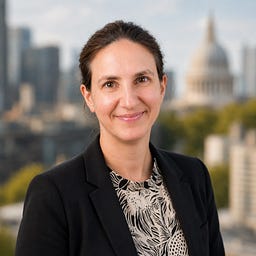
Making Sense explores how evidence and data can help us make sense of the world — from the NHS and Covid to science, democracy and politics. Christina Pagel is a Professor of Operational Research at University College London.
The best analysis of the Irish political scene featuring Irish Times journalists, political thinkers and the occasional politician. Hosted by Hugh Linehan. Hosted on Acast. See acast.com/privacy for more information.
Cut through the noise with The Intercept’s reporters as they tackle the most urgent issues of the moment. The Briefing is a weekly podcast delivering news, incisive political analysis and deep investigative reporting, hosted by The Intercept’s journalists and contributors includ…
Political powerhouses Beth Rigby, Ruth Davidson and Harriet Harman unite to unravel the spin and explain what’s really going on in Westminster and beyond. Each episode examines who holds influence, what politicians are really saying, and the forces driving decisions behind close…
Founded in 1930, we publish analysis, insight and informed opinion on politics and public policy – jargon-free and always in plain English. Subscribe for a weekly digest of our best articles on a wide range of topics.
Niall Ferguson's Time Machine applies historical perspective to contemporary problems in economics and politics, because the further back you look, the further ahead you can see.
A host who actually does the reading. Conversations worthy of the ideas they explore. Theories and frameworks that help you see the world a little bit differently — and a little more clearly. Got a suggestion for our next episode? Or a question you wish we’d find someone to expl…
Good Authority’s mission is to bring insights from political science to a broader audience. Here, political scientists draw on their expertise and the discipline’s research to provide in-depth analysis, illuminate the news, and inform the political conver
I write about political culture, public opinion, public policy, and political institutions in Canada. Most of my commentary centres on Alberta and the West.
The new book *Shifting Sands* uses five years of research to challenge stereotypes about Alberta’s conservative politics, exploring topics like polarization, inequality and public trust.
The first draft of our future. Mapping the new world order through interviews and conversations. Every Thursday, from New York Times Opinion. Subscribe today at nytimes.com/podcasts or on Apple Podcasts and Spotify. You can also subscribe via your favorite podcast app here https…
Thoughts on elections, public opinion and politics. The Swingometer is named in honour of the late Sir David Butler, inventor of both "swing" and the device to illustrate it on television.
Ian Carroll analyzes J.D. Vance's Joe Rogan appearance, noting Vance confirmed Epstein's ties to Israeli and American intelligence. Carroll argues evidence wasn't fully destroyed and files contain enough to prosecute dozens, while criticizing Vance's ties to Peter Thiel. He calls for bipartisan awakening against the "Epstein class."
Watch
Al Jazeera explains how divided government works in the US after Democrats won control of Congress while Trump remains president.
Investigative journalist Laura Logan traces her exile from mainstream media after her Benghazi report and argues that globalists, the left, and Islamists are jointly dismantling Western sovereignty, urging faith and resistance over despair.
Dr. Phil argues recent outages look like deliberate hacking, urges calm hurricane-style prepping, calls AI recall rather than real intelligence, and warns of scams, screens, and an unprepared public facing UAP disclosure.
The Economist examines Arab-led parties' record 19-seat win in Israel's recent election and their potential role as kingmakers in forming the next government.
The Economist's editor-in-chief hosts a panel discussion on Marine Le Pen's chances of winning France's 2027 presidential election and what her presidency would mean for Europe.
Canada’s Supreme Court upheld most of Quebec’s Bill 21, but dissenting justices argue Section 28 guarantees gender‑equality rights that should override the law’s use of the notwithstanding clause.
Canadian engineers built a lasting drone‑training bunker in Latvia, illustrating modern warfare’s shift to decentralised, drone‑heavy operations and exposing capability gaps in Canada’s army.
Prime Minister Mark Carney holds a news conference in Yellowknife, announcing the Mackenzie Valley Highway as a project of national interest and $120 million in funding for an Arctic corridor road.
Democrats won a historic midterm swing that outpaced Republican gerrymandering and voter‑suppression tactics, reshaping congressional and state power despite massive GOP spending and fraud rhetoric.
The Irish government faces its gravest crisis yet after the HSE chief executive was abruptly fired and is challenging the dismissal in court, leaving the Health Minister's account — and career — hanging on untested evidence.
National Review writer Michael Brendan Doherty argues cost-of-living anger sank Trump's coalition in the midterms, and maps the podcast-era, post-Trump Republican ferment and JD Vance's 2028 dilemma.
Investigative reporter Ryan Devereaux explains how Montana politics produced the deadliest Yellowstone wolf hunt in a century, a park ranger's border kill, and a broader war over the Endangered Species Act.
After a wave of wins, moderate Democrats pitch a 'Maverick middle' path; aviation journalist Jeff Wise argues the FAA ground stop shows 'deeply unserious people' running a safety-critical system, rating Sean Duffy's tenure 'tragic.'
Campaigners press the government to make its NDA ban retrospective and extend it beyond the workplace, while the panel debates whether No 10's influencer outreach can coexist with proper media scrutiny.
The hosts weigh a possible path back into the EU — 'discuss, decide, negotiate, confirm' — and dissect the Milburn review's youth welfare reforms, which promise jobs support but imply benefit cuts for under-25s.
Remigration, moving from fringe to mainstream right‑wing discourse, shifts nativism from border control to expelling existing residents, signaling a revanchist turn in European politics.
The piece compares modern Scottish grocery price‑cap proposals with the 1970s UK “red‑triangle” scheme, arguing that price controls are hard to sustain and that targeted income support may be a better solution.
Niall Ferguson argues the AI boom is a capex cycle nearing its end and predicts China will seize Taiwan by 2028, dismissing hopes for an AI-driven productivity miracle.
The piece argues that James Bond’s Cold‑War roots make the franchise relevant again amid today’s cyber‑AI tensions, celebrating Robert Pattinson’s casting while critiquing recent films’ loss of geopolitical focus.
AI has made cyberattacks machine-speed and near-limitless while patching stays slow — recent outages were self-inflicted fixes. The 'digital deficit' of vulnerable software is coming due, and deepfakes make people the easiest way in.
Incoming House Oversight chair Robert Garcia outlines four corruption probes into the Trump administration — family finances, DHS/ICE pay-to-play, corporate deals, and the Epstein files — insisting each must lead to new ethics laws.
The 2026 South African local elections shattered ANC dominance, leaving most councils without a clear majority and sparking volatile coalition battles as opposition parties gain ground.
The Shenzhen trilateral summit will likely serve as a symbolic stage for Trump, Xi, and Putin to advance their own agendas, rather than delivering concrete policy breakthroughs.
Alberta's 2026 referendum confirmed staying in Canada but exposed deep urban‑rural and populist‑pluralist divides, highlighting how far‑right tactics shaped the vote and urging a return to pluralist governance.
A right-populist commentator argues MAGA is dead as an agenda, subsumed by Trump's cult of personality, and that the Iran war betrayal and chaotic tariffs and deportations caused the midterm rout while left populists fill the vacuum.
Left-wing critic Catherine Liu argues 'trauma politics' still grips the Democratic Party, urging class-based, bread-and-butter economics and disciplined empathy over performed victimhood after the midterms.
Interstate‑enabled domestic migration moves young voters from super‑cities to commuter counties, boosting Democratic gains in the US and Labour prospects in the UK while rural areas age and shrink.
Holborn and St Pancras faces a key by-election testing Labour's new leader Andy Burnham against a resurgent Green challenge amid the seat's young, diverse, north‑south divide.
Analysis of day two of Tyler Robinson's preliminary hearing in the Charlie Kirk assassination case, highlighting significant evidence gaps and inconsistencies. Key concerns include an unidentified armed man at the crime scene, a body camera that died at a critical moment, a bald driver of Robinson's car, a mysterious bullet on another rooftop, the

 51:46